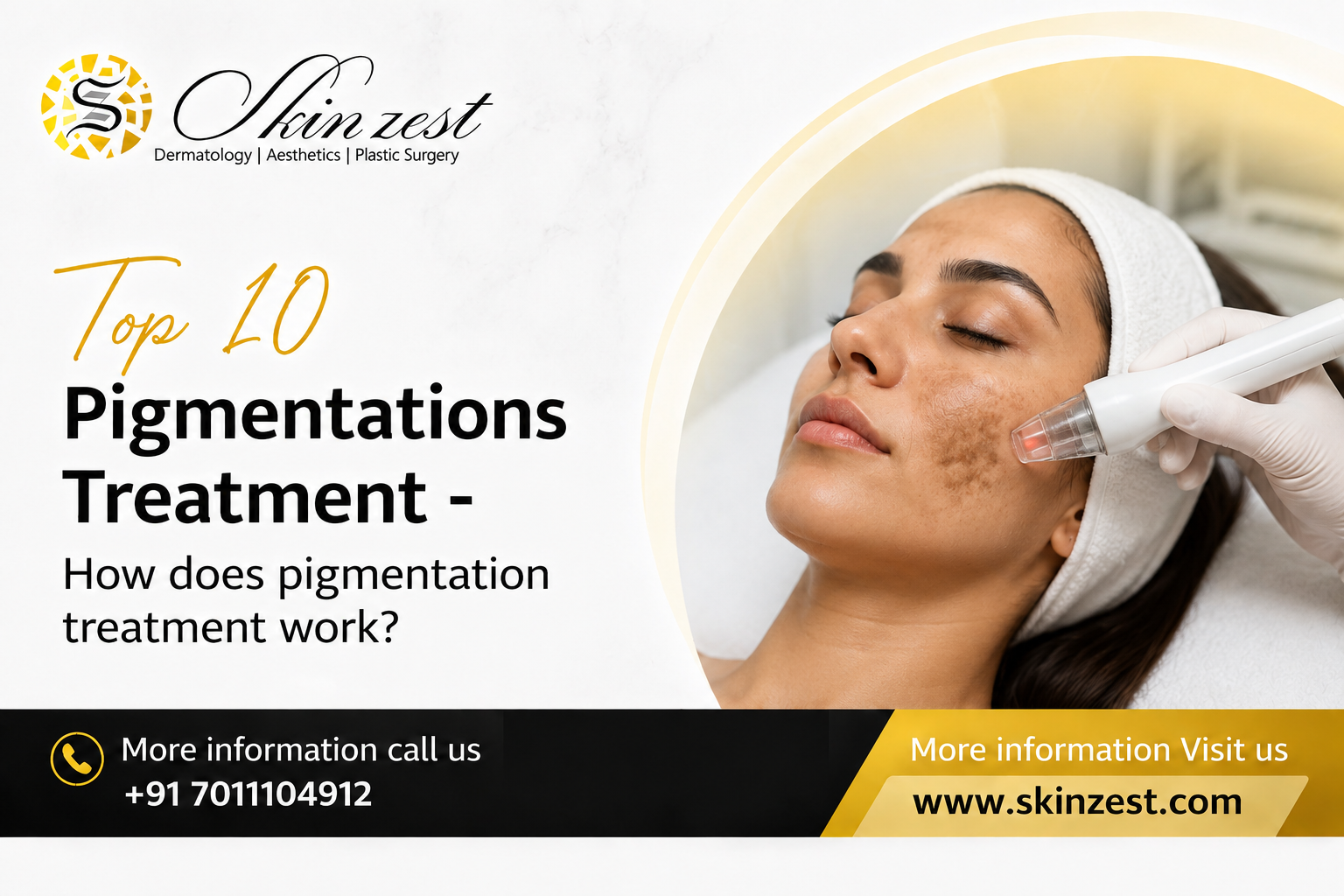
Skin pigmentation problems are quite common and affect every type of face skin. It’s due to the fact that specific areas on the face create excess melanin, a natural pigment that determines the shade of the skin. It may cause dark patches as well as uneven facial spots. Melasma may also be the cause of post-acne acne-related blemishes. Although it’s not a major anxiety trigger, it could impact your confidence and make the appearance of your face to be odd, messy or unnatural.
Dermatology today provides numerous treatment options for pigmentation. They assist in reducing melanin levels and assist in creating an even and smooth look to skin. The best treatment for you will depend on the amount and type of the pigmentation, as well as the cause for the pigmentation.
Also Read: Pigmentation Treatment in Gurgaon
What Causes Skin Pigmentation?
Melanocytes are the cells which create melanin. They are beginning to display signs of an increase levels of activity. There are many reasons for this, including:
- Excessive sun exposure
- Hormonal changes
- Acne or skin injuries
- Aging
- Certain medicines
- Inflammation
- Genetic influences
The identifying of the root cause the problem is essential as it aids in determining the most effective method of treatment.
Also Read: Skin Pigmentation Treatment
Common Types of Pigmentation
Different types of pigmentation need different treatment.
Melasma
Melasma appears as brown or gray patches that usually appear on foreheads, cheeks or the nose, as well as around the lips. It is usually due to hormonal changes and also by sun’s radiations.
Post-Inflammatory Hyperpigmentation (PIH)
Black patches result from acne, burns and eczema and other skin-related injuries. They are more common in people with dark or medium skin tones.
Sunspots
Sometimes referred to as sun spots or age spots. They are visible after years of exposure to sunlight. They usually appear on the face, hands, shoulders and shoulders. They may also appear on the arms or on the face.
Freckles
These are tiny, colored spots that can become more intense when exposed sunlight.
How Does Pigmentation Treatment Work?
A treatment to treat Melanoma relies on the reduction of melanin levels, increasing the expansion of skin cells and improving the skin appearance more appealing. Depending on the cause and severity of the problem, the dermatologist may recommend one or more treatments.
Chemical Peels
Chemical peels are utilized to eliminate the outer layer of your skin that is damaged. They permit new cells to take over areas that have been colored. They are capable of helping those who have lighter pigmentation as well as acne marks and uneven skin complexion.
Also Read: Chemical Peeling Cost In Gurgaon 2026
Laser Pigmentation Treatment
Laser treatment targets melanin that’s excessively abundant by focusing upon the light source. The melanin absorbs the light energy and then breaks into smaller pieces that gradually disappear when your body recovers.
Lasers can be usually used to the following purposes: lasers are generally recommended for:
- Sunspots
- Freckles
- Post-acne pigmentation
- Particular types of melanomasma are identified by their specific varieties and the forms they take.
It is possible to run multiple sessions for the most effective results.
Q-Switched Laser
Lasers that are Q-Switched are able to be utilized for treating persistent pigmentation as they target melanin in a certain manner. They also shield your skin’s outer. They can be utilized to treat severe skin pigmentation, as well as improve the appearance of your skin.
Also Read: Is Q-Switch Laser Effective for Melasma? Expert Insights
Medical Skincare
Dermatologists might prescribe creams for the skin that contain components like hydroquinone, Azelaic acids Kojic acid Vitamin C Retinoids, Niacinamide as well. These ingredients hinder melanin production and enhance the look of the skin.
Also Read: How to Fade Acne Scars Safely and Effectively- Expert Advice From a Dermatologist
What Happens During Treatment?
Prior to you start treatment, a qualified dermatologist will examine your face to assess the severity and type of skin the pigmentation.
Treatment plans might include:
- Skin analysis
- The most appropriate method
- Multiple treatment sessions, if required
- Tips for personalizing skincare
- Registrations must be made after an event to track the development
The duration of treatment will be determined by the size of the blemishes as well as the type of treatment that is chosen.
Results You Can Expect
The treatment for pigmentation causes slow improvement, but it does not offer immediate improvement. When the skin is rejuvenated and the excess pigment is reduced the patients will notice:
- Skin tone stays stable
- Reduction in dark patches
- Brighter complexion
- Improvement in skin texture
- Healthier-looking skin
The recommended regimen for skin care and routine is crucial to achieve the best result.
What should you do to stop the repetition of the color?
Even though it is true treatment is successful however, the need to ensure that you take care of your skin is crucial to avoid repetition of the same condition.
- Apply broad-spectrum sunblock every day.
- Avoid excessive sun exposure.
- Secure yourself by wearing hats, gloves and other protective gear when you’re out in the open.
- Follow a dermatologist-recommended skincare routine.
- Don’t rub the skin if you have the skin or have scratching.
- Make sure your skin is healthy and well-hydrated.
Sun protection every day is one of the most important factors to extend the benefits for a longer period of the treatment.
Conclusion
Treatment for melanin deficiencies reduces melanin production which is excessive and aids in promoting healthy skin renewal in addition to creating an attractive face. The kind and the extent of the pigmentation, as well as treatments such as Chemical peels or laser treatments using Q-Switched Lasers and medical treatment can dramatically improve the appearance of your skin, and diminish the appearance of dark spots. Through a thorough examination as well as expert treatment and regular sun protection many patients will have a healthy, clear and more appealing complexion. A dermatologist with experience will devise a strategy of treatment to address the problem of of dark marks, and offer long-lasting results.